All Categories
Featured
Table of Contents
Improving economic growth has become the specifying goal of the Labour Government's technique to policy and regulation, with monetary services positioned as a crucial sector in meeting this ambition. Over the previous year, this focus has equated into a series of regulatory and policy interventions developed to boost competitiveness, unlock financial investment, and recalibrate the balance between consumer defense and market involvement.
The publication of the in July offered a clear statement of intent, while the decision to abandon plans for a UK Green Taxonomy indicated a pragmatic divergence from the EU's approach to sustainable finance. While Brussels continues to embed its Taxonomy, both jurisdictions remain aligned in their pursuit of development or 'financial competitiveness', as it's often framed at the EU level.
Benchmarking Your Digital Development Versus 2026 Industry StandardsThis is a new structure enabling private company shares to be traded on an intermittent basis. Numerous in the industry think this modification will have restricted impact on boosting the number of UK business selecting to go public at home, compared with listing in jurisdictions with more liquid markets and deeper capital swimming pools most especially the US.

Emerging from the Recommendations Guidance Limit Review, the regime is created to bridge the enduring gap between generic assistance and complete regulated advice. It will enable companies to offer customized, non-individualised suggestions to specified groups of customers with shared requirements. Companies could motivate people with significant money holdings to invest or support consumers making crucial pension decisions without the cost and complexity of full suggestions.
Evaluating Bank Funding Vs. Venture Finance
That said, initial uptake is expected to be sluggish as firms face having the systems and customer data required to precisely section groups. Alongside these efforts to promote investment, the Government is likewise grappling with the challenge of preserving trust and self-confidence in the monetary system. An upgraded National Scams Method is anticipated in the coming months, with industry debate primarily centred on whether Huge Tech and telecoms firms should bear higher responsibility for scams stemming on their platforms or networks.
While Labour indicated a harder position during the 2024 general election campaign, current indications suggest that the Federal government will not consist of any financial reimbursement commitments for tech companies in the upcoming Scams Strategy. This evident recalibration reflects not just domestic policy factors to consider however also larger geopolitical sensitivities, provided the United States ownership of many significant technology platforms and the present Trump administration's determination to overtly challenge abroad regulative modifications perceived to disproportionately prevent US interests.
These difficulties crossed capital markets and retail financial investment, impacting the complete spectrum of the policy and regulatory structure for monetary services ranging from prudential requirements to how companies support their consumers. Comprehending these developments and engaging efficiently with policymakers and regulators is crucial for firms intending to remain ahead.
Whitehouse is fluent in providing the competence and insight needed to do precisely that. For enquiries or to discuss how we can support your business, please call us at: .
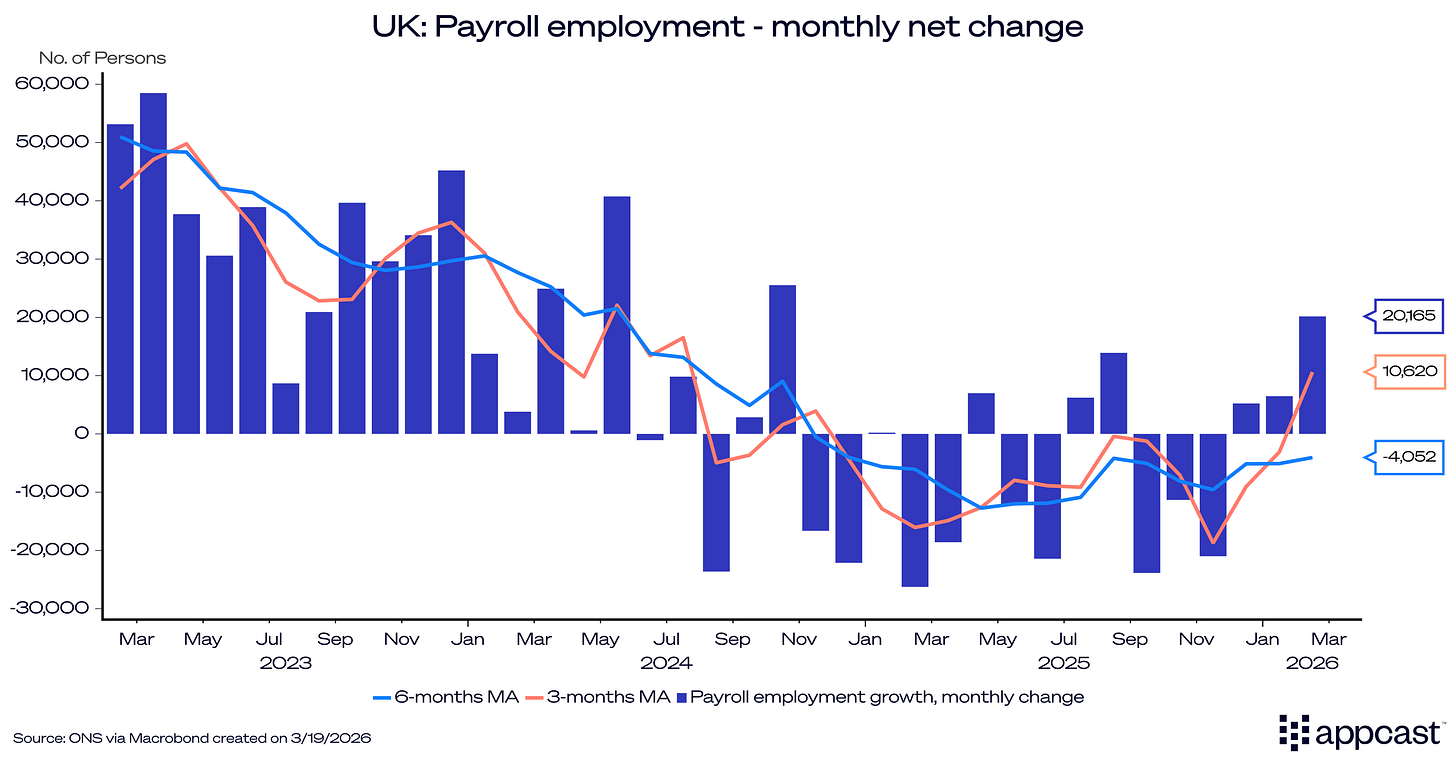
The majority of UK monetary services firms prepare to increase employing in 2026 with recruitment driven largely by the need for AI expertise, according to KPMG's UK Financial Solutions Sentiment Study. The quarterly survey, which tracks sentiment of 150 sector leaders, found that over half (55%) expect to work with more staff this year and more than 8 in 10 are confident about employing the skills their companies requires in the first quarter of 2026.
Seven Governance Trends Defining the Next Decade of CompanyWhy Global Trade Reports Matter for UK Firms
52% of firms employing in 2026 expect recruitment to focus on technologyAI skills are most in need when it pertains to working with beyond the sector and upskilling (cited as the most significant focus among 44% and 43% of respondents respectively)57% of those who are planning to increase Board level working with state getting AI abilities is the most significant focus this yearAI development is the second most significant factor affecting hiring choices for 2026 (25% of respondents), behind just the UK financial outlook (31%)Managing Director level was ranked the biggest recruitment concern, while only 4% said apprenticeships will be a top priority down from 20% in December 2024 "Offered the wider declining tasks market, the reality that monetary services, a sector that already produces 1 in 13 UK jobs, plans to hire more is a huge cause for optimism.

Latest Posts
Investment Banking Trends Shaping UK Business Strategy
Strategic Analysis Into UK Management Shifts
Why British Firms Must Prioritize ESG Strategies